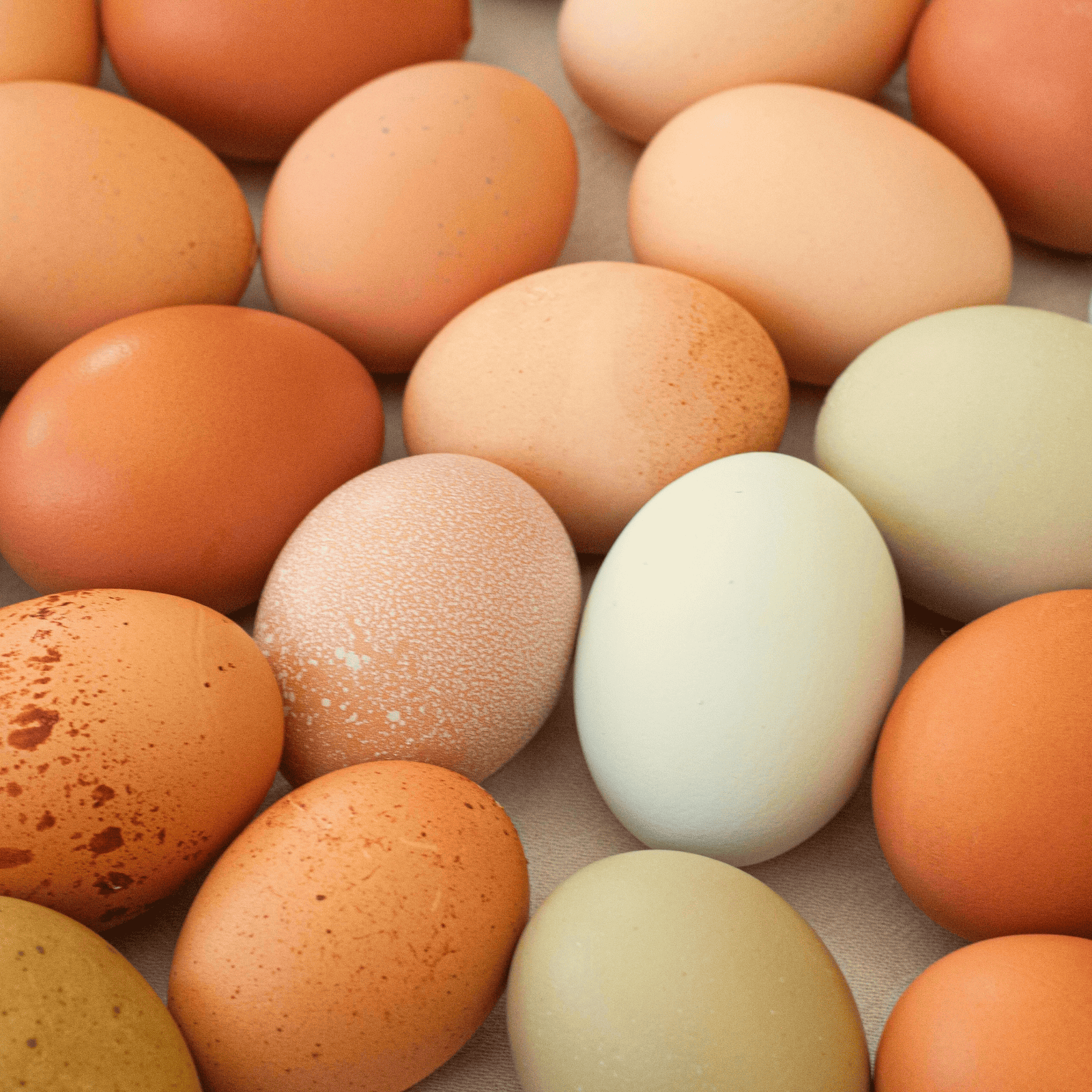
Eggs are one of those ingredients that seem simple. I mean, they’re just eggs, right? But Eggs in Baking matter more than you might think.
If you’re ever left questioning why your bakes are too cakey, too dense, or weirdly rubbery … there’s a good possibility that eggs had something to do with it.
Because in baking, eggs aren’t just “an ingredient.” They’re structure, moisture, richness, lift, and texture, all wrapped up in one little fragile shell. Which means understanding how they work is the difference between amazing cookies and ‘why are these weirdly spongy‘ cookies.
Let’s break it down.
And if you want to nerd out about baking more, check out my Expert Baking Tips post!

What Eggs Actually Do in Baking
Eggs are multitaskers. Like, aggressively-overachieving little multitaskers.
1. Structure: The Backbone of Your Bake
When eggs heat up, their proteins unravel and then re-bond into a firm network. This is called protein coagulation, and it’s what helps your baked goods hold their shape. This is why too many or too few eggs can impact the final bake’s texture so dramatically.
2. Moisture
Eggs are about 75% water, which contributes to the overall hydration of your batter or dough. This affects softness, overall texture, and spread in bakes like cookies.
More eggs = more moisture… but also more structure, so it’s a balancing act between a pleasantly moist amount of eggs, and weirdly chewy or spongey in the worst way!
3. Fat (aka Flavor & Tenderness)
The yolk is where the fat lives – and fat = flavor. Egg yolks add richness, provide a tender crumb, and help give baked goods that melt-in-your-mouth vibe. This is why recipes that use extra yolks (like all my best chewy cookie recipes!) are so good.
4. Emulsification
Egg yolks contain lecithin, a natural emulsifier. This helps fat and water mix together smoothly, instead of separating. This ensures smoother batters and doughs with better texture and consistency.
Without proper emulsification, things can get greasy or grainy real fast.
5. Leavening
Eggs can trap air when beaten, which expands in the oven and helps baked goods rise. This is most noticeable in cakes and other sponge-based desserts or meringues – but it’s also part of the equation in bakes like cookies and brownies.
Egg Whites vs. Egg Yolks (They Are Not the Same)
Egg Whites
- Mostly protein + water
- Assist with structure and stability
- Can make baked goods more firm or dry if overused
- Think: light, airy, and structured.
Egg Yolks
- Where the fat, flavor, and emulsifiers live
- Add richness and tenderness
- Contribute to a softer or more chewy texture
- Think: rich, soft, and indulgent.
Whole Eggs = Balance
Using the whole egg gives you the best of both worlds: you get the structure from the egg white, with all the fat and flavor from the yolk. This is why most recipes default to using whole eggs.
Why Room Temperature Eggs Matter (It’s Not Just Baking Snobbery)
I know, I know. Every recipe says it. But here’s why it matters. Room temp eggs:
- Mix more easily and evenly into batters
- Help create a smoother emulsion
- Trap air more effectively when beaten
Cold eggs can cause curdled batters, and uneven texture, or poor rise.
Egg Temperature Tips & Tricks
- Place eggs, still in their shells, in warm water for 5–10 minutes to quickly bring them to room temperature.
- Separate yolks from the whites straight from the fridge. This is much easier as they’re less fragile when cold.
- If you crack an egg in a bowl and there’s a piece of shell in the bowl, use half the egg’s shell to remove it. Eggshells are attracted to eggshells, so it’s easiest to remove unwanted shell using its own shell!
What Happens If You Change the Number of Eggs in a Recipe?
This is where things get interesting.
If You Add an Extra Whole Egg:
If you add an extra whole egg, you’ll find your bake has more structure (sometimes too much, causing an unpleasant firmness). You may also notice more moisture, or a slightly cakier texture.
Add an Extra Yolk
Adding an extra egg yolk to cakes, cookies, and brownies is one of my favorite hacks – and you may have noticed that I call for this in a huge number of my recipes! Adding an additional yolk provides a richer flavor, a softer or chewier texture (depending on the recipe), and less spread in cookies.
Reduce Eggs
If you lower the number of eggs in a recipe, you’ll notice less structure, so your bake may end up more crumbly or fragile, and potentially drier as a result.
How Eggs Affect Different Baked Goods
Cookies
- More eggs: Thicker, softer, cakier
- More yolks: Chewy, rich, less spread
- Fewer eggs: Crispier, thinner, more crumbly
Cakes
- Eggs provide structure and assist with lift
- Too many eggs and your cake will be too dense
- Too few eggs and it can collapse or be dry
Brownies
- More eggs will yield fudgier and denser brownies
- Fewer eggs and your brownies will be more crumbly
- Yes, eggs are why brownies land anywhere between cakey and fudgy!
- Tip: Add extra egg yolk for chewier brownies!
Common Egg Mistakes in Baking
Using the Wrong Size Eggs
Most recipes are written for large eggs – this matters!! A large egg in the US is about 55-60 grams in shell. If you use:
- Smaller eggs (like medium eggs), they’ll provide less moisture and structure
- Larger eggs (like XL eggs) will provide too much liquid, causing an altered texture
If a recipe doesn’t specify the size of eggs needed, assume they mean large eggs.
Overmixing After Adding Eggs
Eggs can trap air—but overmixing can incorporate too much air, leading to a weird texture or collapsing your cake. So, avoid overmixing after adding your eggs.
Adding Eggs Too Quickly
If you dump eggs into creamed butter and sugar mixtures too fast, the batter can break – so always add eggs one at a time, mixing fully between each addition.
Pro-Level Eggs in Baking Tips (That Actually Make a Difference)
- Weigh your eggs if you want ultimate consistency. This matters most for finicky bakes like French Macarons.
- Add an extra egg yolk for chewy cookies and brownies. This is a game changer!
- Let eggs fully incorporate before adding dry ingredients. If you’re noticing your batter looks curdled, add a tablespoon or two of the flour from the recipe. This can help speed up the emulsification.
- Don’t skip eggs unless the recipe is designed for it—they’re doing too much behind the scenes. There are plenty of talented recipe developers who design recipes specifically for using egg alternatives!
Delicious Recipes Using an Extra Egg Yolk:
- Easy Homemade Brownies
- Dubai Chocolate Chip Cookies
- Fudgy Double Chocolate Chip Cookies
- Cinnamon Roll Blondies